Top 8 Resort Outdoor Furniture Ideas by Space: A Procurement Guide for Hospitality Projects
Most resort outdoor furniture guides hand you a product list. This one is organized by space, because that is how procurement actually happens on a hospitality project. You are rarely buying “20 lounge chairs” in the abstract. You are furnishing a pool deck, a rooftop bar, and a spa courtyard, and each zone carries different sun exposure, foot traffic, and housekeeping realities. Treat them as one undifferentiated order and you inherit the cost of the mismatch later, when furniture specified for a shaded lounge starts failing in full sun beside a pool.
Start from the space and the right specification follows. Hotels and hospitality are now the largest buyers of commercial outdoor furniture, accounting for 41.5% of the market in 2024 [1], so these are budget decisions, not afterthoughts. As a hospitality outdoor furniture manufacturer, Gainwell organizes its own catalog by space for the same reason. The eight zones below cover where most resort outdoor budgets actually land.
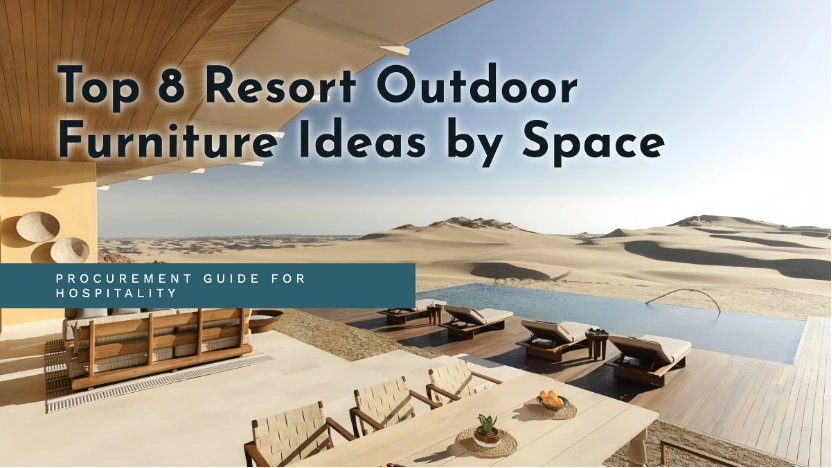
1. Pool Deck: Furniture That Survives Chlorine, Sun, and Turnover
The pool deck takes more abuse than any other outdoor zone, so durability wins when it conflicts with looks. Core pieces are chaise lounges, cabana daybeds, and stackable side tables.
Specify quick-dry foam cushions and solution-dyed fabric that holds color under direct sun, then choose frames that stack so housekeeping can clear the deck quickly for cleaning or weather. A stackable chaise lounge in marine-grade aluminum is the workhorse: light enough to reposition, and resistant to the chlorine splash and humidity that corrode lesser frames within a season.
The cushions are the real consumable on a pool deck, not the frames. Specify fabric that resists fading through a full season of UV, and build in a routine that gets cushions out of overnight damp. Early fade and mildew are what drive premature replacement and the tired look that guests register first.
2. Outdoor Dining Terrace: Stability and Hygiene First
A dining terrace fails on wobble and stains before it fails on style. The furniture set here is weatherproof dining tables, parasols, and bar stools.
Prioritize table stability so a full table setting does not rock on uneven stone, cushion fabrics that wipe clean between covers, and an aesthetic that reads as continuous with the indoor restaurant. Guests notice when the terrace looks like a different property from the room they just left.
Shade is part of the furniture decision, not a separate line. Parasols and their bases have to hold position in terrace wind without crowding covers or blocking sightlines, and the base weight needed for real stability often surprises operators who specified the tables first and the shade last.
Prioritize when specifying:
- Table-base weight and footing for uneven outdoor flooring
- Removable, wipeable cushions rated for food-service hygiene
- Finishes and tones that match the adjacent interior dining room
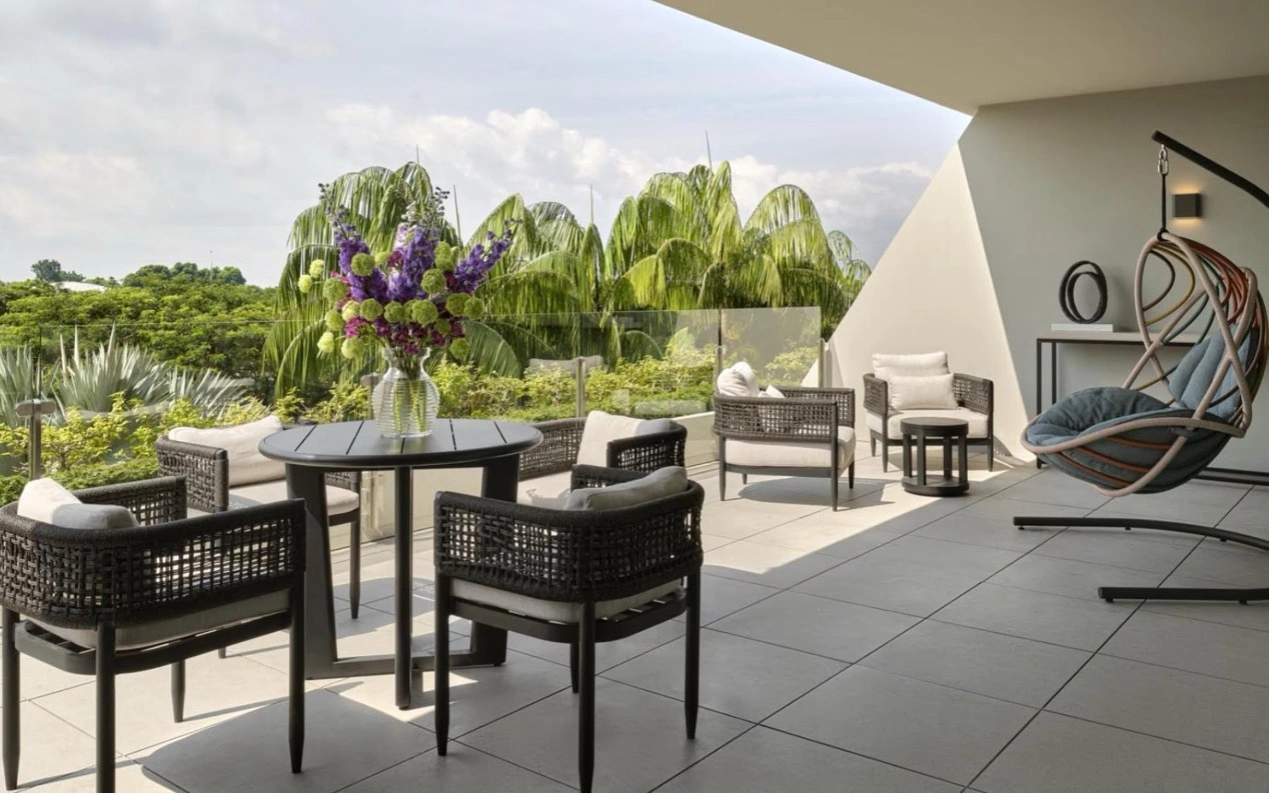
3. Garden Lounge: Modular Pieces That Reconfigure for Events
A garden lounge earns its budget by changing shape. The pieces are modular sofas, fire pit tables, and low coffee tables.
Modularity is the point: sections that split and recombine let one space host cocktail receptions, quiet afternoon seating, and small private functions without new furniture. Pair that flexibility with all-weather frames and weather-resistant cushions, because garden furniture sits exposed far longer between uses than poolside pieces do.
Fire pit tables add an operational layer worth scoping early. Fuel type, clearance, and who lights and supervises them shape both the product choice and the staffing around it. As poolside, the cushions only outlast the frames if there is somewhere dry to store them between functions.
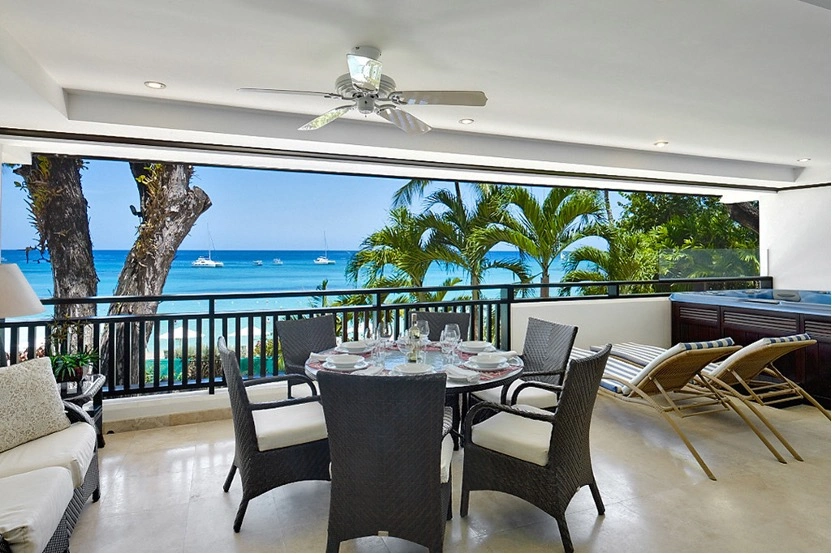
4. Beach or Waterfront Area: Engineered for Salt and Sand
Saltwater and sand are the harshest test outdoor furniture faces, so material choice does most of the work. The waterfront set is sunbeds, towel rails, and shade structures.
The two materials that hold up are marine-grade aluminum and teak, and the right pick depends on the look and the maintenance the property will commit to.
| Material | Strengths | Trade-off |
|---|---|---|
| Marine-grade aluminum | Rust-proof, lightweight, easy to reposition daily | Reads more contemporary; can heat up in direct sun |
| Teak hardwood | Premium look, naturally weather-resistant | Heavier to move; needs periodic care to manage greying |
Either choice beats untreated steel or softwood, which corrode and split where salt air and sand reach them.
Towel rails and shade structures round out the zone, and both should be specified to either anchor permanently or break down for storm season, depending on how exposed the waterfront is. Decide that early, because it changes the frame, the fixings, and the labor of daily setup.
5. Rooftop Bar: Lightweight, Wind-Aware, and Storable
A rooftop bar adds a constraint no ground-level zone has: weight and wind. The furniture is high-top tables, barstools, and lightweight stackable chairs.
Rooftops carry structural weight limits, so lighter pieces are not a preference but a requirement, and exposed elevations mean wind load tolerance matters for anything tall or light. Choose chairs that stack compactly, because rooftop storage is almost always tighter than the floor plan suggests.
On a rooftop, the furniture spec is a conversation with the building, not only the designer. Confirm point loads and total added weight against the roof’s limits before committing to a piece count, and look at discreet weighting or tethering for anything tall enough to catch a gust.
Prioritize when specifying:
- Wind stability for high-tops and tall stools
- Low piece weight against rooftop load limits
- Compact stacking for limited rooftop storage
6. Spa Courtyard: Calm You Can Feel in the Materials
A spa courtyard is the one zone where the furniture should recede, not perform. The pieces are daybed loungers, privacy screens, and natural-material accents.
Acoustic calm, tactile quality, and low visual noise carry this space. Soft textures, muted tones, and screening that gives guests a sense of enclosure matter more than statement design. The goal is a setting that reads as quiet before a guest has consciously registered why.
Privacy screens do double duty as acoustic softening and sightline control, so treat them as functional furniture rather than decoration. Favor materials that age gracefully and need little intervention, because a maintenance crew working noisily in a wellness zone undoes the whole effect.
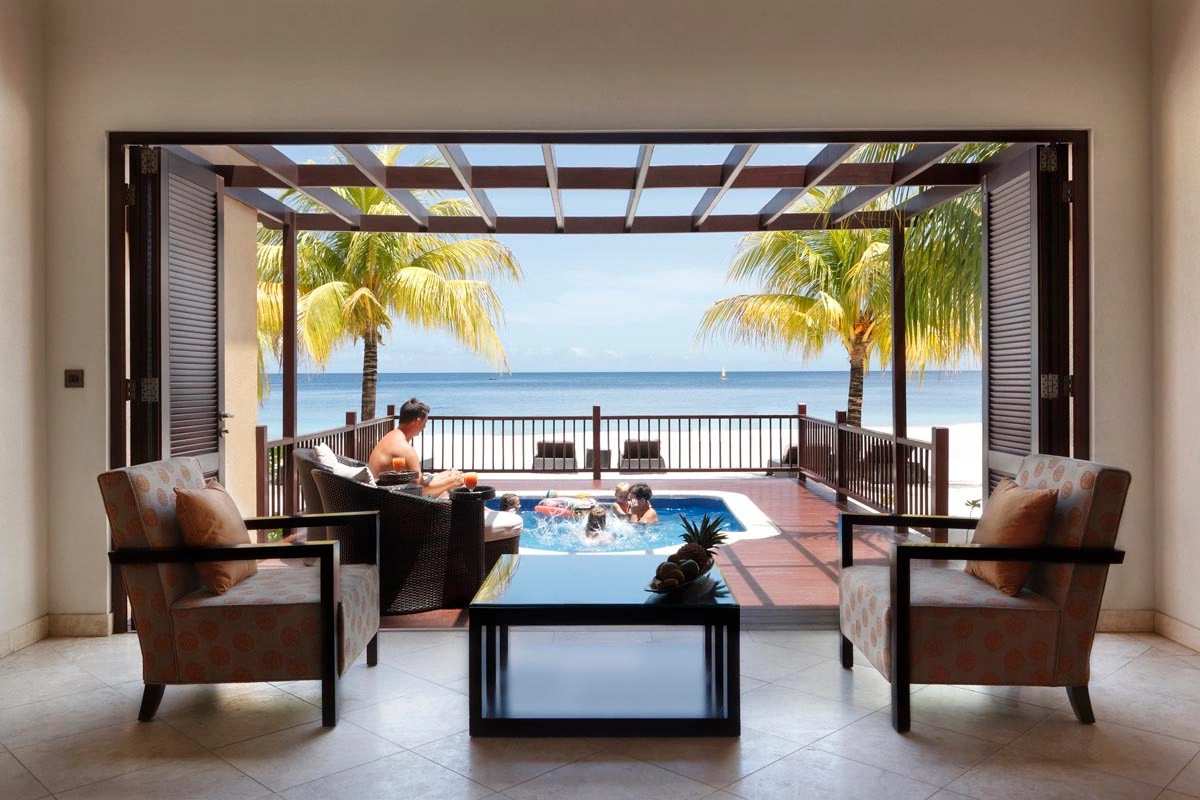
7. Event Lawn and Pre-function Space: Built for Fast Turnover
An event lawn lives or dies on how fast staff can reset it. The furniture is foldable and stackable multi-use pieces.
These spaces flip between layouts several times a week, so fast reconfiguration and a small stored footprint outrank almost everything else. The furniture also rotates through heavy, repeated use, which means it has to survive constant handling without showing wear that a client paying for an event would notice.
One lawn often reads as a wedding ceremony in the morning and a gala dinner by night, so multi-use pieces that suit both save a second purchase. Factor in how staff stage and move the furniture too, since trolleys and clear access paths decide how fast a flip actually happens.
Prioritize when specifying:
- Fold-and-stack design for rapid layout changes
- Compact storage footprint between events
- Durability under heavy, repeated rotation
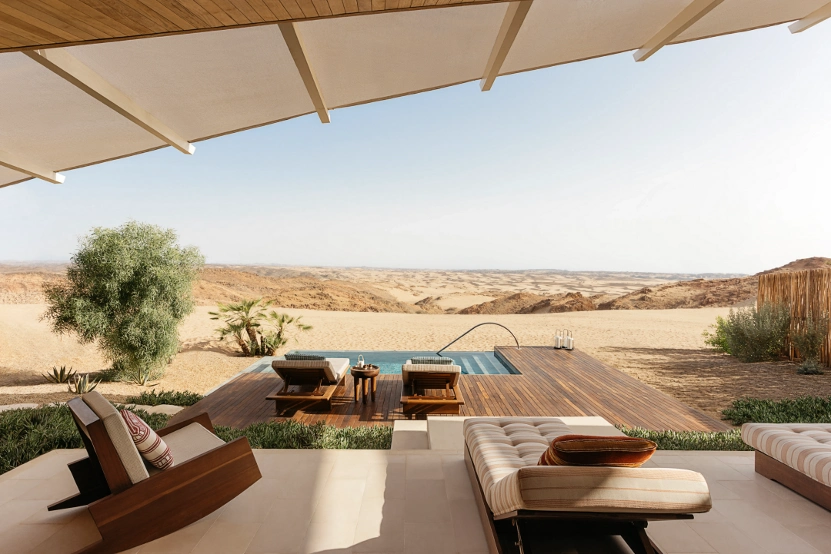
8. Villa or Suite Private Terrace: Curated and Premium
A private terrace is small in square footage but high in expectation. The set is curated small-scale pieces in premium materials with bespoke finishes.
Here the priorities invert from the event lawn. Design coherence with the suite interior, premium perceived value, and longevity matter more than turnover speed, because these pieces serve one party at a time and are read up close. A terrace that visibly matches the interior design tells a guest the property cared about the whole stay, not just the bedroom.
Because guests examine these pieces from a meter away, finish quality is unforgiving here in a way it is not on a busy pool deck. Bespoke tones and details that echo the suite’s interior palette are what justify the premium, and they are what a returning guest remembers.
Conclusion: Start With the Space, Then Spec the Furniture
Outdoor furniture procurement works best when it starts with the space and not the product catalog. Each zone sets its own priorities, from chlorine resistance on the pool deck to wind tolerance on the rooftop to acoustic calm in the spa, and the specification falls out of those constraints once they are clear.
That is also why full-property sourcing through one partner tends to beat zone-by-zone buying: it keeps materials, finishes, and lead times coherent across the whole resort. It also collapses a dozen separate lead times, freight shipments, and finish batches into one coordinated schedule, which is exactly where large outdoor fit-outs tend to slip and overrun. The hotel FF&E market is projected to grow from USD 63.09 billion in 2025 to USD 107.97 billion by 2033 [2], and most of that spend rewards getting these decisions right the first time. As a contract manufacturer that builds to project specifications rather than off-the-shelf stock, Gainwell works as an FF&E partner across both indoor and outdoor zones for hospitality projects. Map your spaces first, then bring the spec list to a sourcing conversation.
Sources
- Commercial Outdoor Furniture Market Size & Share Report. Grand View Research. 2024. grandviewresearch.com
- Hotel Furniture, Fixtures, and Equipment Market Report, 2033. Grand View Research. 2025. grandviewresearch.com
Disclaimer: All logos and trademarks used in this article are owned by their respective companies and are used only for brand identification and introduction. They do not represent any cooperative relationship between this website and the relevant companies.