
The architectural and financial realization of an integrated casino hotel project demands a sophisticated synthesis of spatial engineering and strict capital asset management. When developers map out mega-scale gaming floors, they navigate a high-stakes matrix where physical structural dimensions directly dictate macroeconomic revenue density. Within procurement and optimization discussions, operators frequently confront two pivotal operational pivot points: deciphering the exact physical geometry required for premium table game pits, and mastering the heavily regulated legal frameworks governing the disposition of specialized wagering hardware. Addressing these questions requires a deep understanding of gaming floor ergonomics and the strict compliance protocols that dictate how high-value gaming assets are liquidated and circulated within the global hospitality ecosystem.
Spatial Ergonomics: Craps Table Dimensionality and Floor Circulation Kinetics
When optimizing a high-traffic table games pit, casino architects must precisely understand the physical footprint of the equipment to prevent spatial bottlenecks and ensure regulatory visibility. In determining the spatial layout of a dice pit, design teams frequently analyze the exact mechanical proportions of the heaviest and most labor-intensive table game in the house. In standard international gaming environments, a professional regulation craps table measures between twelve and fourteen feet in length, featuring an elongated oval chassis designed to accommodate up to sixteen active players alongside a three-man dealer crew. This precise dimension requires a generous five-foot clearance perimeter surrounding the wooden apron to allow for player backing space, chip-runner circulation, and overhead surveillance sightlines, making the table’s total footprint a critical benchmark when aligning the transition from the gaming pit to nearby public hospitality areas.
Asset Lifecycle Management: Legal Compliance and Secondary Market Liquidation
As integrated resorts undergo phased property refreshments or technological upgrades, asset managers must execute precise protocols regarding the decommissioning of high-value gaming inventory. For procurement teams reallocating capital, mastering how to sell casino equipment is not a simple commercial transaction, but rather a heavily governed legal process regulated by state and national gaming control boards to prevent illicit grey-market operations. Safely navigating this process requires adherence to strict compliance chains where all electronic logic boards and central processing units are fully wiped or physically destroyed before the structural chassis can be transferred. To execute a legitimate sale, licensed operators must partner with certified, bonded gaming brokers who verify that the purchasing entity holds valid regulatory credentials, ensuring that slot cabinets, table components, and surveillance gear are securely cataloged, transported, and cleared through automated asset disposition channels.
Fiscal and Spatial Synchronization Across Gaming Infrastructure
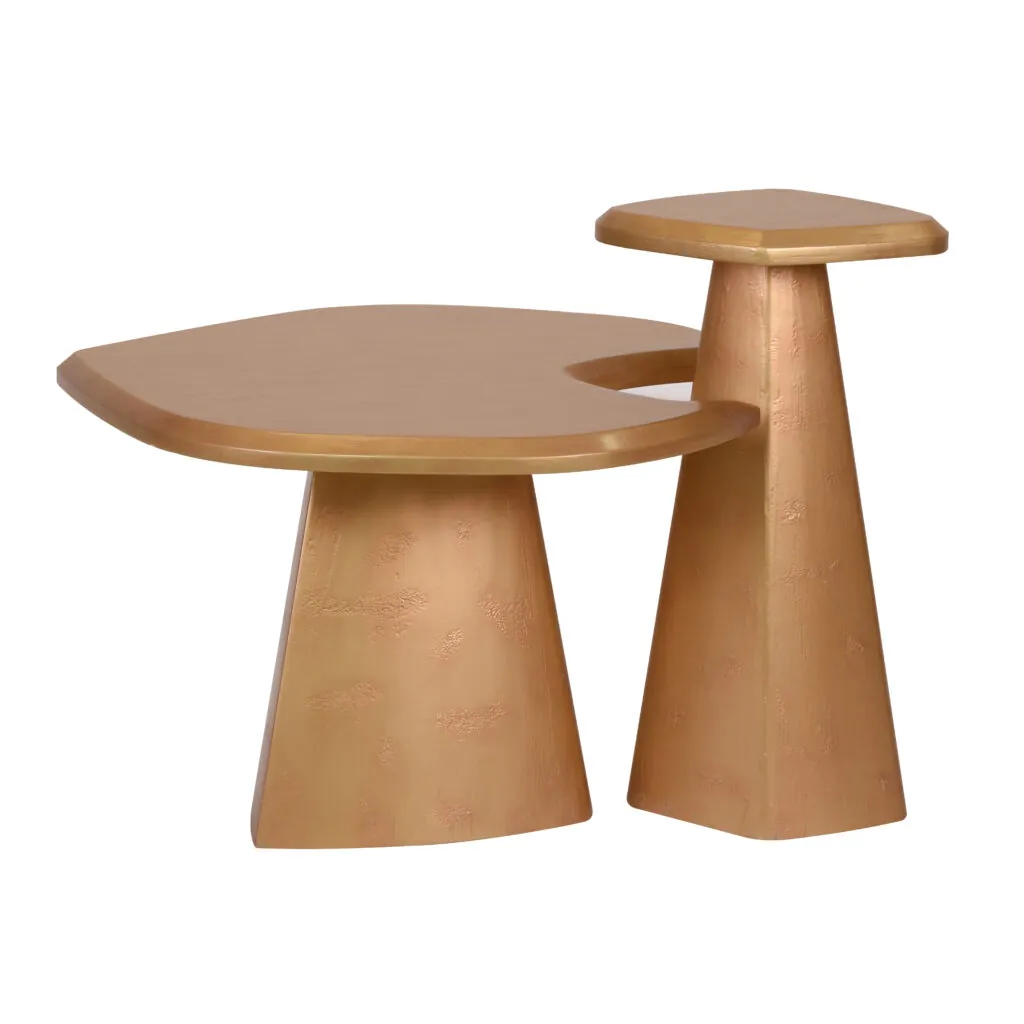
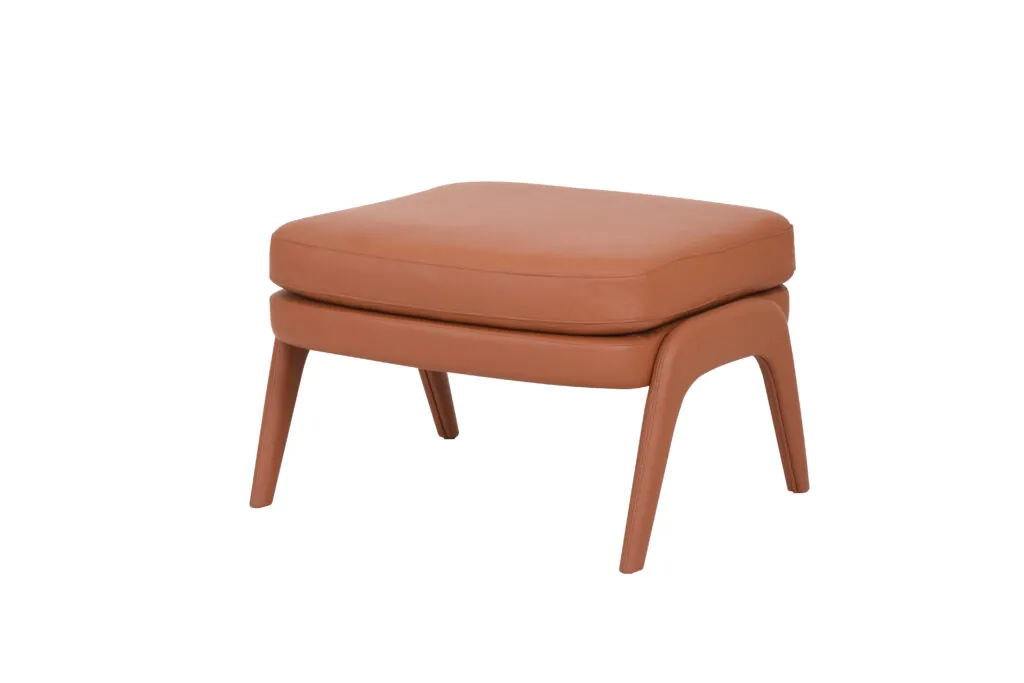
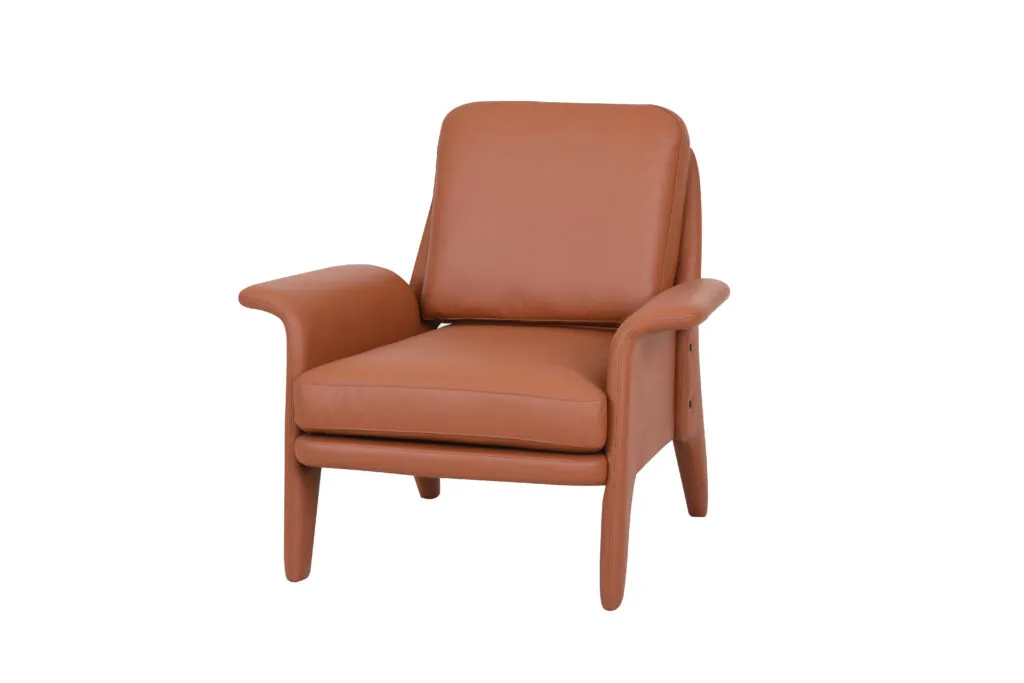
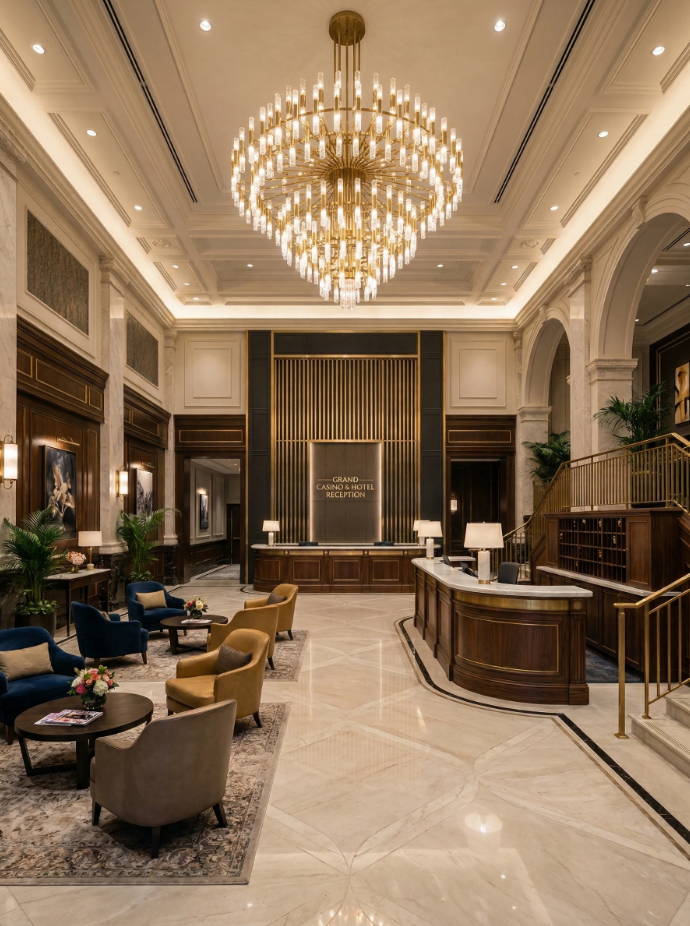
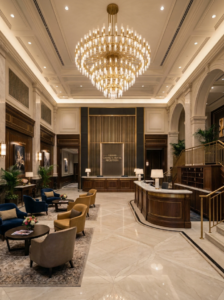
Ultimately, maximizing the revenue velocity and operational fluidity of a luxury casino property depends on the seamless coordination between underlying physical hardware and the surrounding architectural framework. Translating complex technical layout blueprints into functional, highly durable physical environments requires tier-one manufacturing precision capable of enduring unrelenting, twenty-four-hour customer traffic. Supporting this elite international pipeline, global hospitality manufacturers like Gainwell Furniture utilize highly advanced production facilities, including an extensive fabrication base in Vietnam, to deliver specialized structural systems. By transforming strict architectural drawings into beautifully engineered casino front desk installations, heavy-duty lounge seating, custom console tables, luggage benches, and reinforced display cabinets, they bridge the gap between complex gaming physics and elite spatial design.