Modern casinos feature a diverse array of gaming equipment, ranging from slot machines and electronic systems to classic table games. Among these, casino tables are perhaps the most iconic fixtures on the floor, offering players a highly interactive and immersive experience.
Dating back centuries to early European gambling houses, simple wooden setups have evolved into specialized designs tailored to specific games. Today, this includes distinct configurations for poker, blackjack, baccarat, roulette, and craps, as well as bespoke VIP variations.
While slot machines generate the majority of casino revenue, table games remain indispensable. According to the American Gaming Association’s Commercial Gaming Revenue Tracker
(https://www.americangaming.org/resources/commercial-gaming-revenue-tracker/ ), slots accounted for approximately 78% of U.S. traditional casino revenue in 2024, with table games contributing the remaining 22%. The financial dominance of slots stems from their high density, lower operating costs, and rapid pace, all achievable without dealer overhead. However, tables remain essential because they attract high-value players and generate the vibrant social interaction and premium energy that define the classic casino experience.
Consequently, despite occupying a smaller footprint on the gaming floor, table games deliver outsized value in customer engagement, brand prestige, and VIP revenue—making high-quality tables a vital strategic investment for operators.
Types of Casino Tables and Their Market Importance
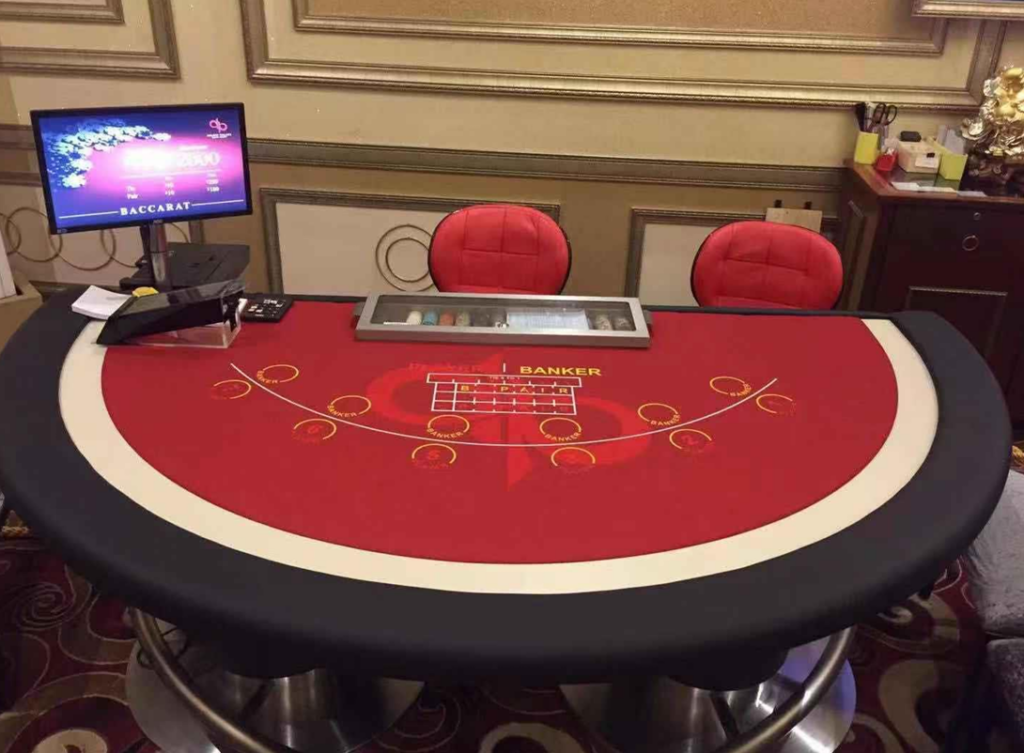
Modern casinos offer a variety of table games designed to appeal to different player preferences and betting levels. The most common casino tables include blackjack, baccarat, roulette, poker, and craps. Among these, blackjack is usually the most widely available table game in North American casinos, while baccarat dominates the VIP gaming sector and generates the highest revenue among table games in many Asian markets. Roulette and craps are also popular attractions due to their iconic status and spectator appeal.
Industry data (https://www.vip-grinders.com/research/casino-statistics/) , shows that slot machines generally account for approximately 65%–80% of casino gaming revenue, while table games contribute around 20%–35%. Despite representing a smaller share of total gaming revenue, table games often generate significantly higher revenue per square foot and are critical for attracting high-limit players. Baccarat, in particular, has become the leading table game by revenue in major gaming markets such as Nevada and Macau, while blackjack remains the most widely deployed table game across casino floors.
Type | Typical Presence on Casino Floor | Typical Players per Table | Approximate Share of Table Game Revenue | Key Characteristics |
Blackjack | High | 5–7 players | 20–30% | Most common table game in Western casinos |
Baccarat | Medium | 7–14 players | 25–35% | Highest revenue-generating table game in many casinos |
Roulette | Medium | 6–10 players | 8–15% | Popular among both casual and experienced players |
Craps | Low-Medium | 8–16 players | 5–10% | Highly social and energetic game |
Poker | Medium | 6–10 players | 3–8 | Casino earns revenue through rake rather than house edge |
How Casino Tables Are Manufactured
Producing a high-quality casino table requires a seamless blend of precision engineering, premium craftsmanship, and rigorous quality control.
- Design and Engineering
Based on client specifications, manufacturers create detailed structural drawings and integrate advanced features like LED lighting or electronic betting components. For custom projects, 3D renderings and prototypes are often developed to ensure perfect alignment with the client’s vision before mass production begins.
- Material Selection
Most commercial gaming tables are built from a combination of high-grade hardwood, heavy-duty plywood, MDF, and steel reinforcements to ensure long-term structural stability. As for the playing surface, premium gaming cloth is typically woven from durable, high-density synthetic fibers to guarantee a smooth, frictionless glide.
- Frame Fabrication and CNC Processing
Once the design is finalized, table components are precision-cut using CNC machinery to achieve flawless dimensions and consistency. The wooden or metal sub-frame is then assembled and heavily reinforced, ensuring it can withstand the rigorous, 24/7 wear and tear of a commercial casino floor.
- Upholstery and Surface Layout
With the core structure complete, technicians meticulously install the padded armrests, foam cushioning, and decorative finishes. Custom logos, betting grids, and brand-specific colors are printed directly onto the layout fabric using high-resolution dye-sublimation, while permanent metallic or acrylic branding is mounted securely to the table’s exterior chassis.
- Quality Inspection and Compliance Testing
Before leaving the facility, every table undergoes comprehensive quality inspections. This includes flame-retardant assessment, structural load testing, and environmental compliance checks (such as formaldehyde emission standards for treated wood).
- Packaging and Global Delivery
Finished tables are carefully wrapped in multi-layered protective materials and crated to prevent any transit damage. Depending on the venue’s requirements, tables are shipped either fully assembled or in modular sections designed for rapid on-site installation.
Bespoke Manufacturing (OEM/ODM)
Leading manufacturers offer comprehensive OEM and ODM services, enabling casinos, luxury resorts, and private gaming clubs to co-create bespoke layouts that seamlessly match their brand identity and operational needs.
At Gainwell Furniture, we manufacture casino front desk systems with integrated stone, wood, and metal components according to project drawings supplied by hospitality clients. Our factory teams also produce console tables, display cabinets, and statement furniture pieces designed for large lobby proportions. Performance fabrics and commercial-grade upholstery materials are commonly selected because they simplify routine maintenance in busy public areas.