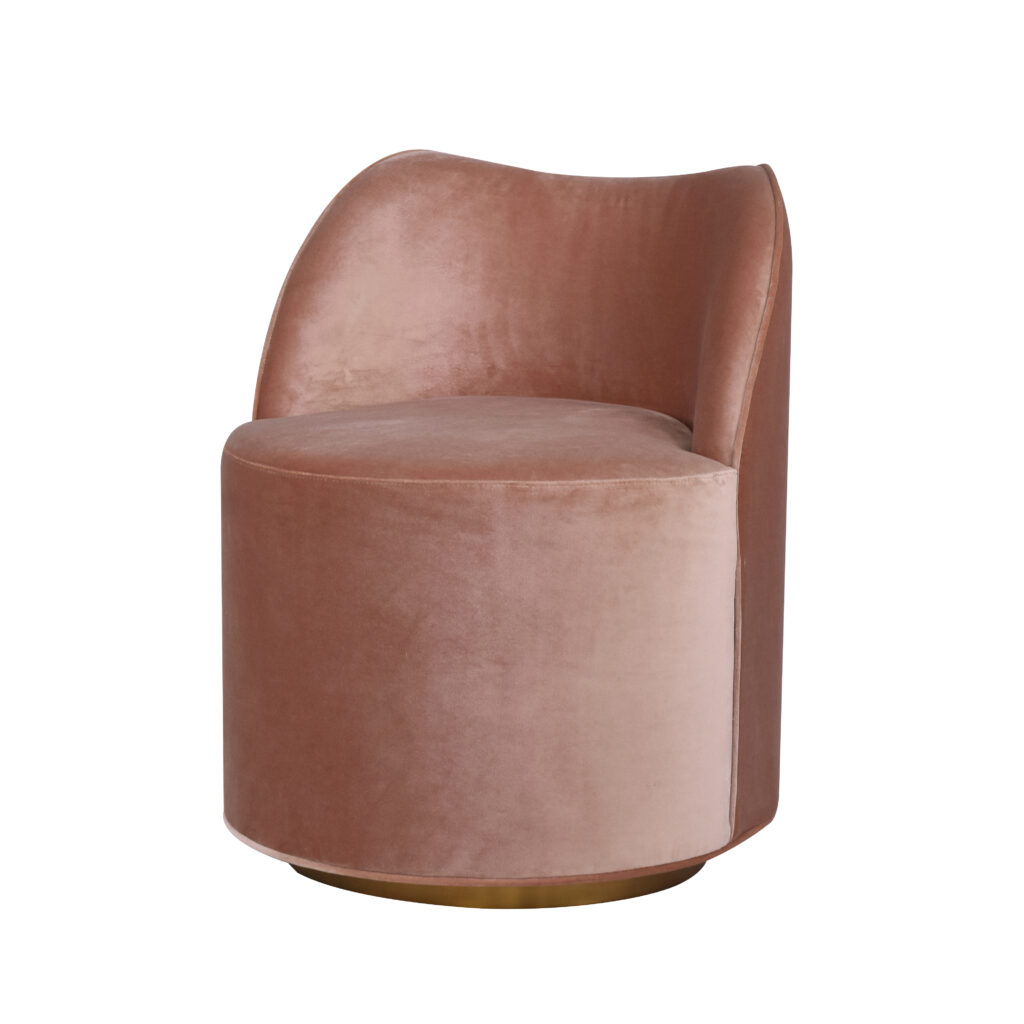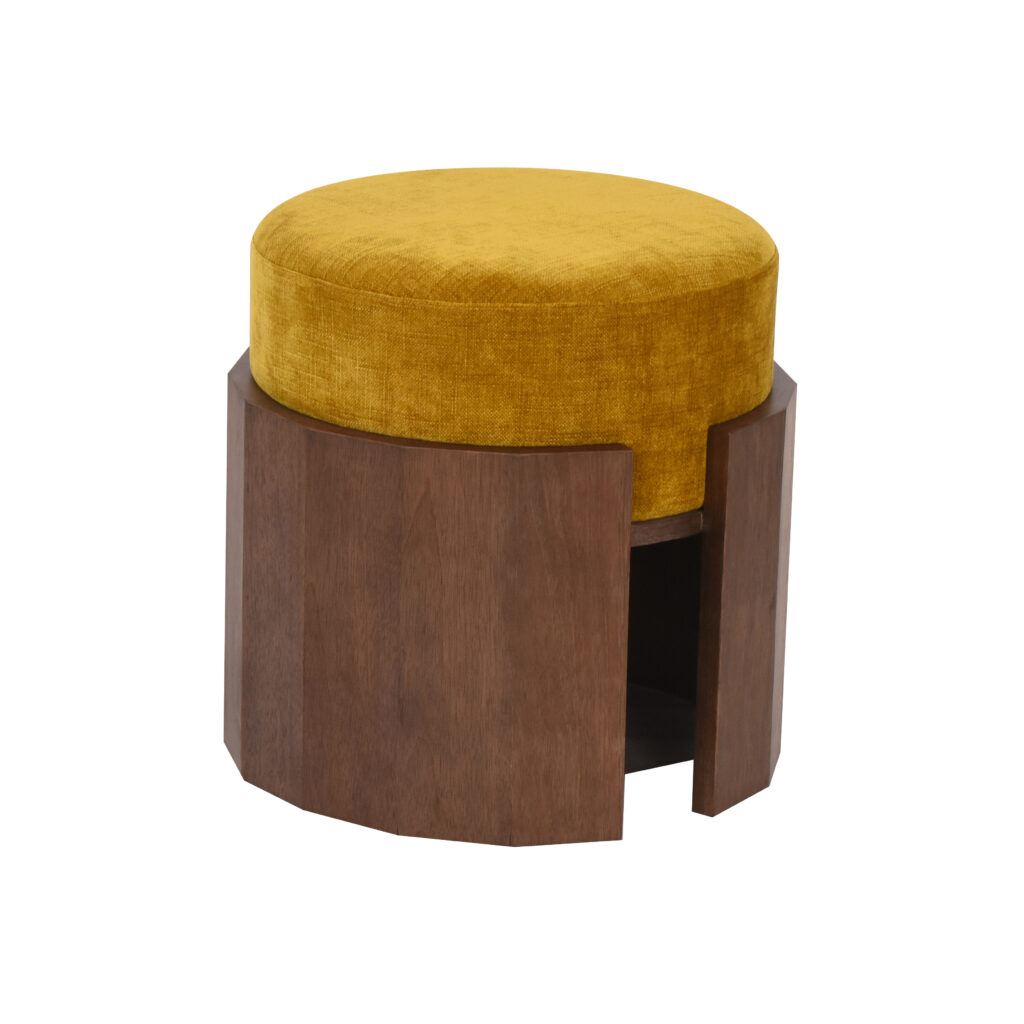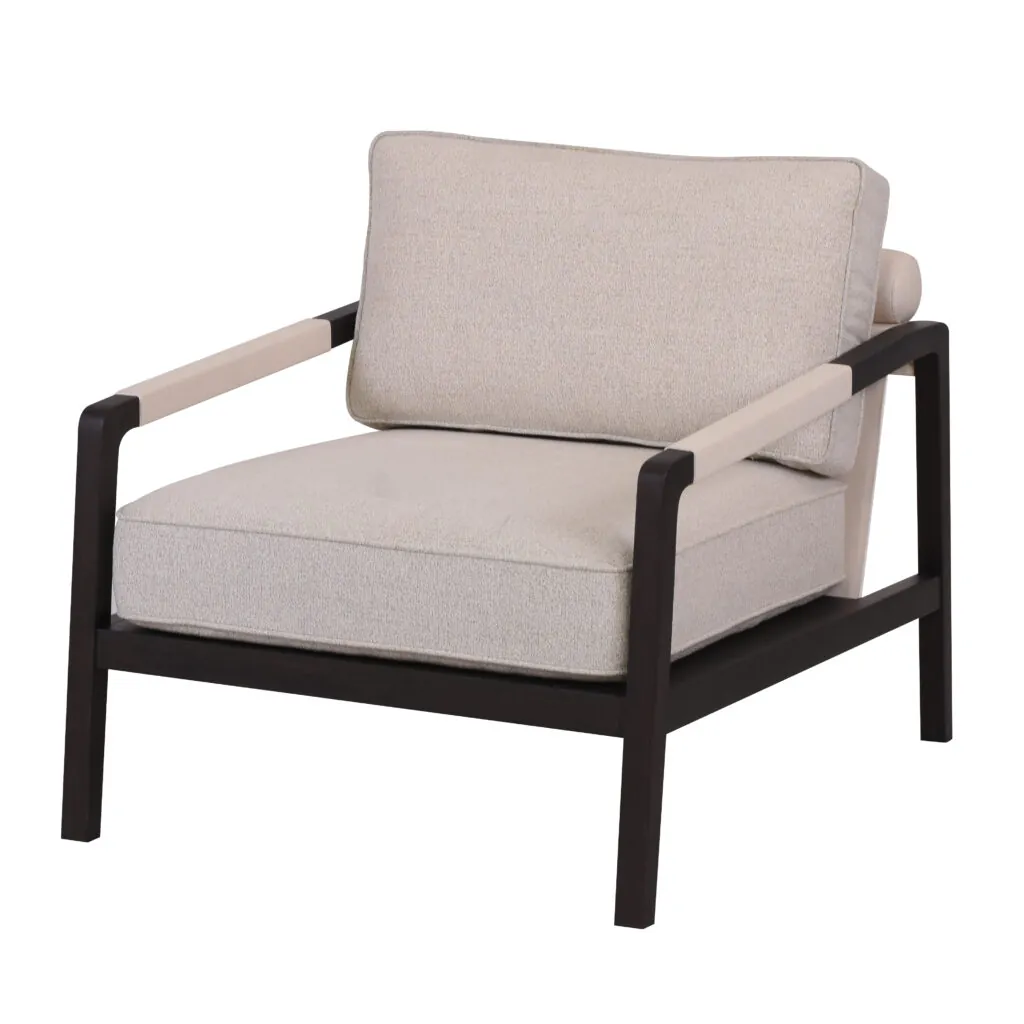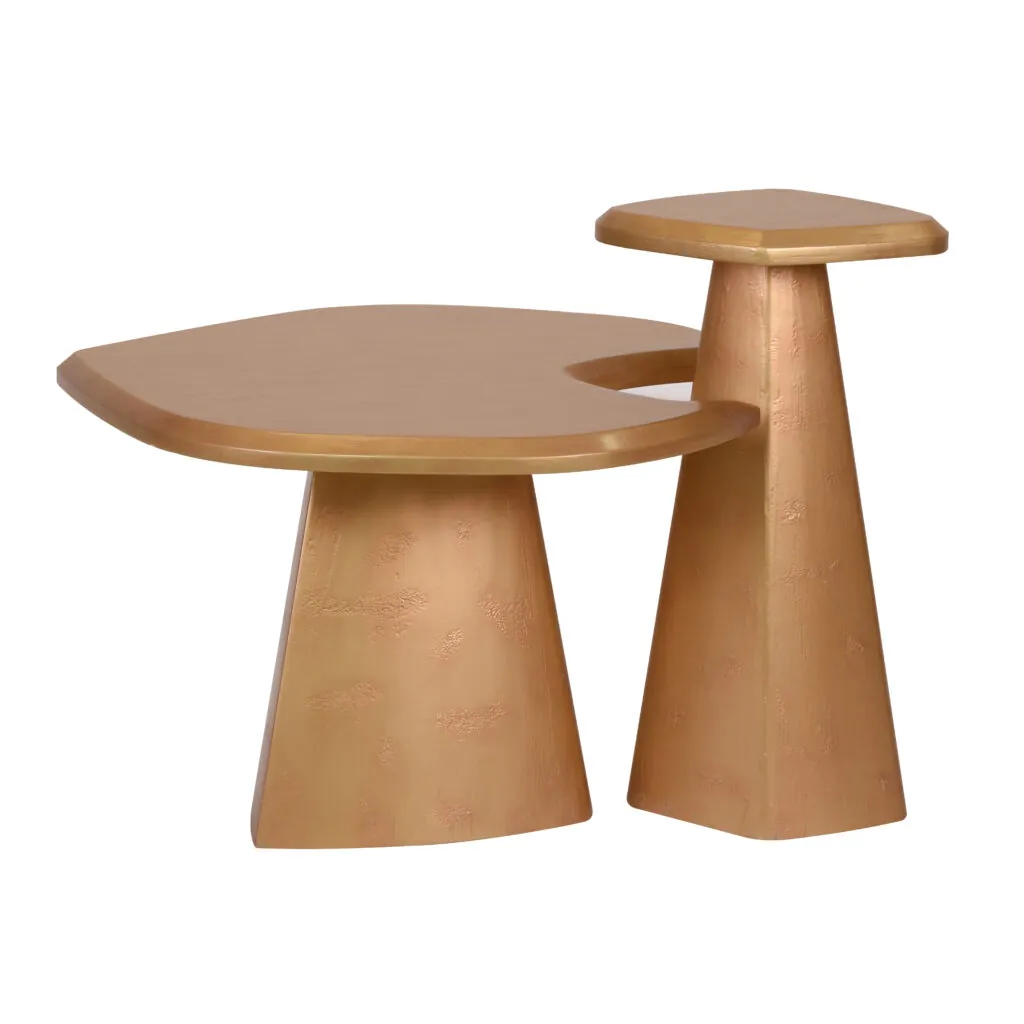
In the high-stakes world of maritime hospitality, the guest journey begins long before they set foot on the ship’s gangway. It starts at the terminal, where the transition from “traveler” to “VIP” is forged in the silence of a well-appointed lounge. For cruise line operators and interior designers, these spaces are the initial handshake of the brand—a physical manifestation of exclusivity and care. Creating an environment that feels both ultra-premium and industrially resilient is a complex puzzle. It requires a deep understanding of human movement, the psychology of luxury, and the technical constraints of high-traffic maritime hubs. While passengers may only notice the softness of a leather chair or the gleam of a polished side table, the industry professional sees the engineering behind the aesthetics. This is where the distinction between a standard furniture supplier and a custom manufacturing partner like Gainwell becomes the defining factor in a project’s success.
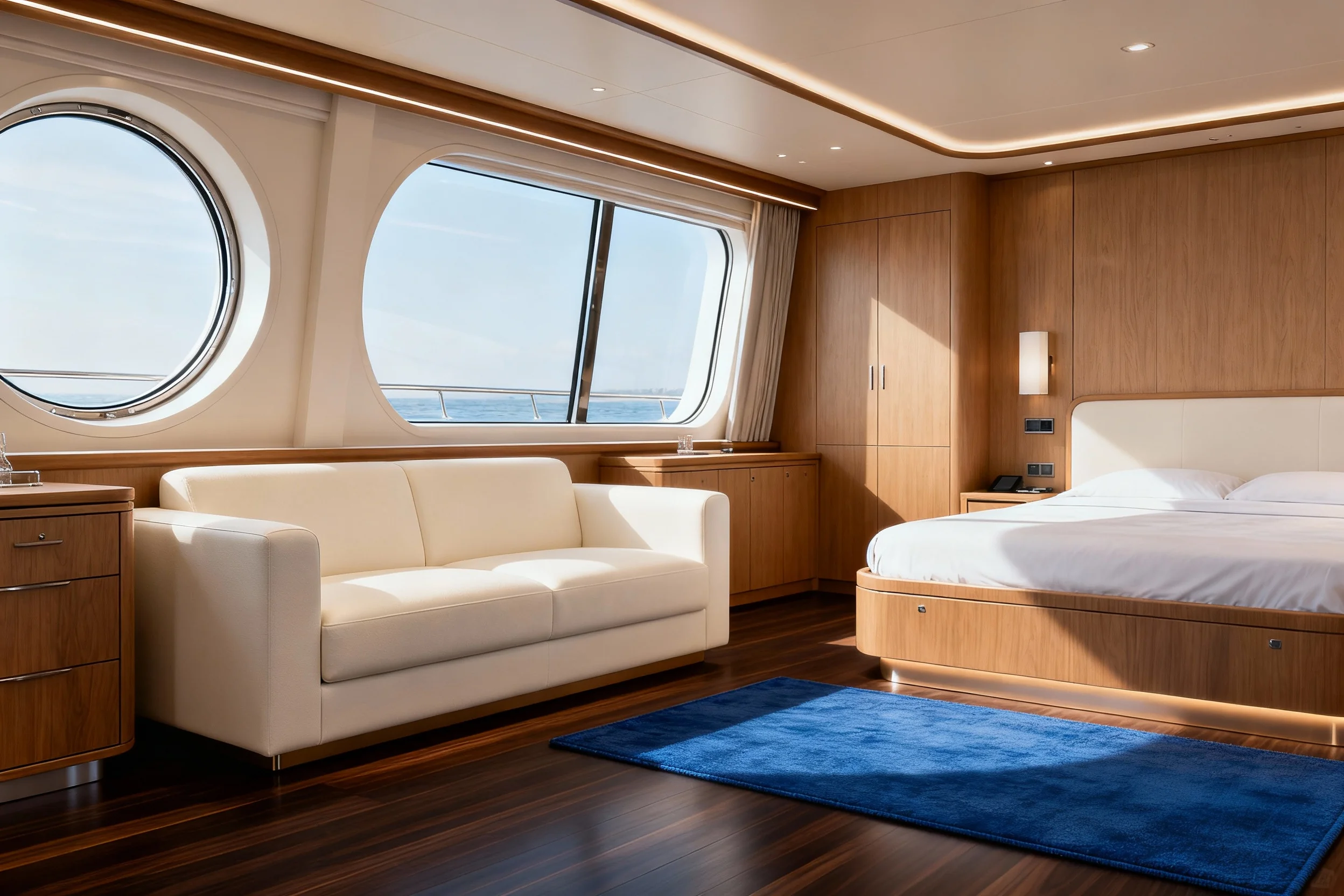
Deciphering the Shore-to-Ship VIP Journey
When travelers ask, what is the captains lounge on carnival cruise, they are essentially seeking the gateway to the “priority” experience. Specifically, the Captain’s Lounge refers to a private, shoreside waiting area located in several major ports such as Miami, New Orleans, and Long Beach. It is an exclusive sanctuary reserved for Diamond and Platinum VIFP (Very Important Fun Person) members and guests staying in suites. Instead of navigating the bustling main terminal, these high-value guests are ushered into a refined space where they can enjoy a more relaxed check-in process, often accompanied by light refreshments, snacks like pastries or cookies, and a comfortable seat away from the crowd.
However, the term also surfaces in onboard discussions, such as the Captain’s Club Annex found on vessels like the Carnival Pride. Whether it is the shoreside terminal lounge or an intimate onboard specialty venue, the core concept remains the same: a dedicated space designed for sophisticated relaxation. For the business user—the designer or the developer—understanding what is the captains lounge on carnival cruise is less about the guest perks and more about the architectural challenge of creating “private luxury” within a public infrastructure. These lounges must handle high turnover while maintaining an atmosphere of tranquil exclusivity, necessitating furniture that is as durable as it is beautiful.
Designing Privacy Within a Public Terminal
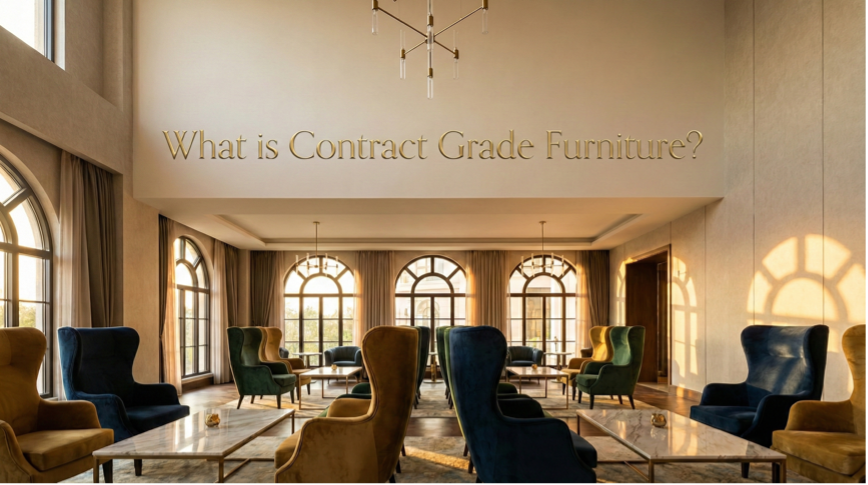
Understanding what is the captains lounge on carnival cruise requires looking beyond amenities and focusing on spatial intent. Whether located inside a busy cruise terminal or onboard a vessel, a Captain’s Lounge is designed to separate a small group of priority guests from the rhythm of mass embarkation. The challenge lies in creating a sense of calm and discretion within an environment defined by movement, queues, and operational pressure.
From a design perspective, this means furniture must guide behavior as much as it provides comfort. Seating layouts subtly define personal zones without physical barriers, while tables, armchairs, and storage elements are positioned to reduce visual noise and foot traffic. The success of a Captain’s Lounge is measured by how effortlessly guests transition from waiting to relaxation—without feeling isolated, and without feeling exposed.
Materials That Support the Illusion of Effortless Luxury
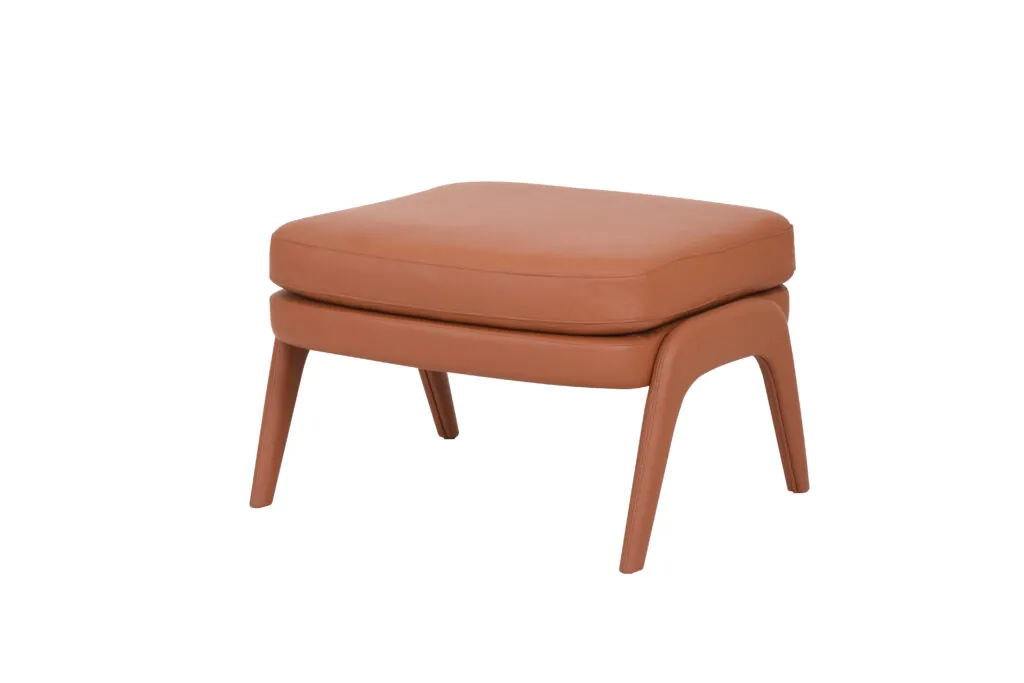
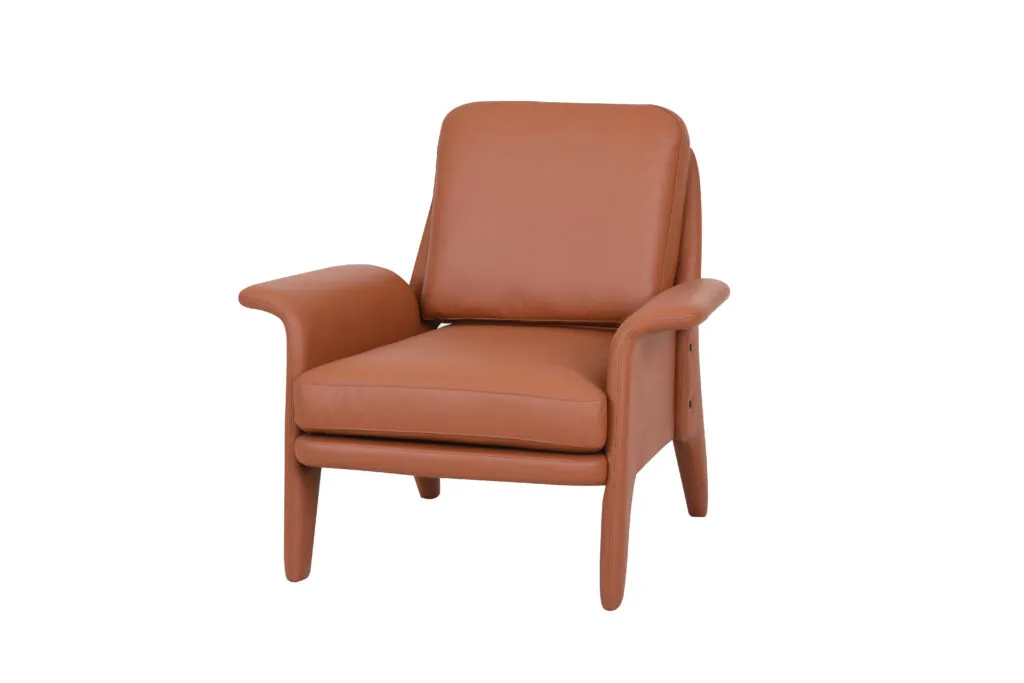
In spaces like the Captain’s Lounge, durability must exist invisibly beneath the surface. Guests associate luxury with softness, stability, and visual harmony, yet these lounges experience constant turnover throughout embarkation cycles. Furniture selections therefore prioritize materials that maintain appearance under frequent use, fluctuating humidity, and extended operational hours.
Marine-adapted structures, resilient cushioning systems, and surface finishes designed for easy maintenance all contribute to this balance. Chairs must feel substantial without appearing heavy; tables must remain stable without anchoring the layout. These technical decisions allow the lounge to preserve a premium atmosphere throughout the day—ensuring that every guest encounter reinforces the perception of exclusivity, even during peak terminal operations.
Delivering Consistency Across Ports and Fleets
For cruise operators, the Captain’s Lounge is not a one-off design statement but part of a repeatable brand experience. Guests expect the same level of comfort and refinement whether embarking in Miami, Long Beach, or New Orleans. Achieving this consistency requires manufacturing systems capable of reproducing design intent accurately across multiple locations and project scales.
Gainwell supports this requirement through coordinated production planning that aligns furniture output with terminal development schedules and fleet refurbishment cycles. The Vietnam manufacturing base functions as part of this broader system, enabling efficient execution of large-volume programs while maintaining alignment with defined design standards. This approach ensures that Captain’s Lounges across different ports deliver a unified experience—one where guests immediately recognize the space as part of Carnival’s premium journey.
From Blueprint to “Bon Voyage”
Ultimately, the furniture in a VIP lounge serves a dual purpose: it must be a silent ambassador for the brand’s luxury and a high-performance tool for the operator’s efficiency. When you partner with Gainwell, you aren’t just buying furniture; you are engaging an engineering specialist that respects the sanctity of your design. Whether you are building an intimate library on a yacht or a high-capacity terminal lounge, our commitment remains the same: to deliver furniture that is technically superior and aesthetically flawless.
The next time a guest enters a Captain’s Lounge and sinks into a perfectly weighted armchair, they won’t think about the shop drawings or the high quality stainless steel hardware. They will only feel the comfort of a space that was designed just for them. And for us, that is the ultimate validation of a blueprint well-executed.