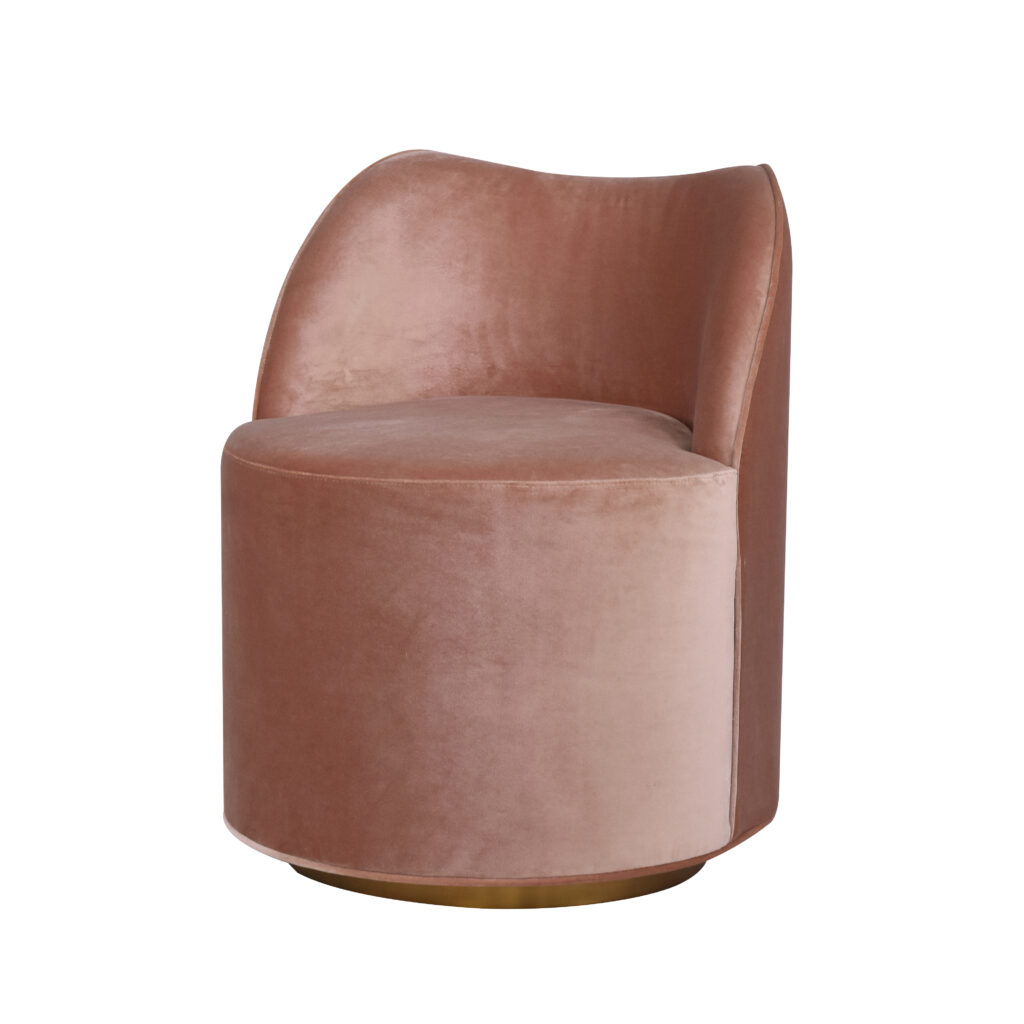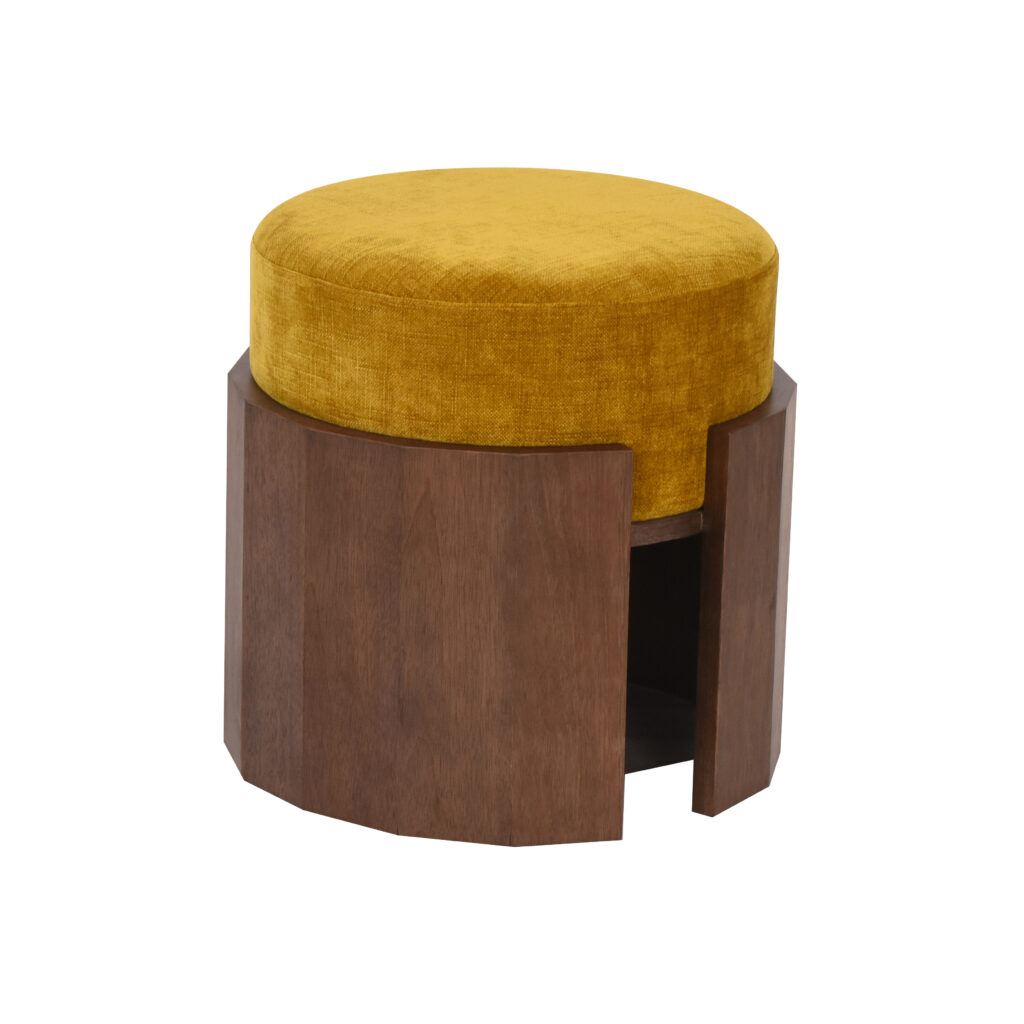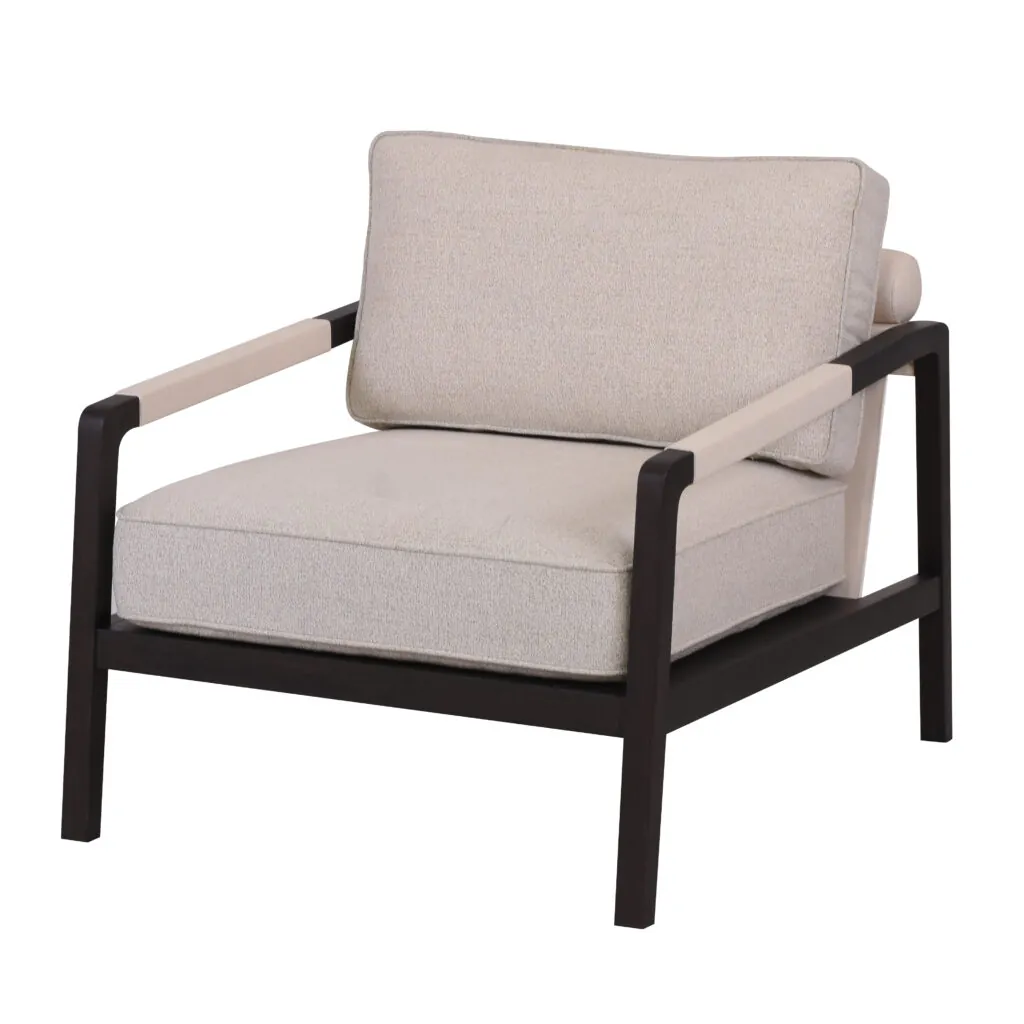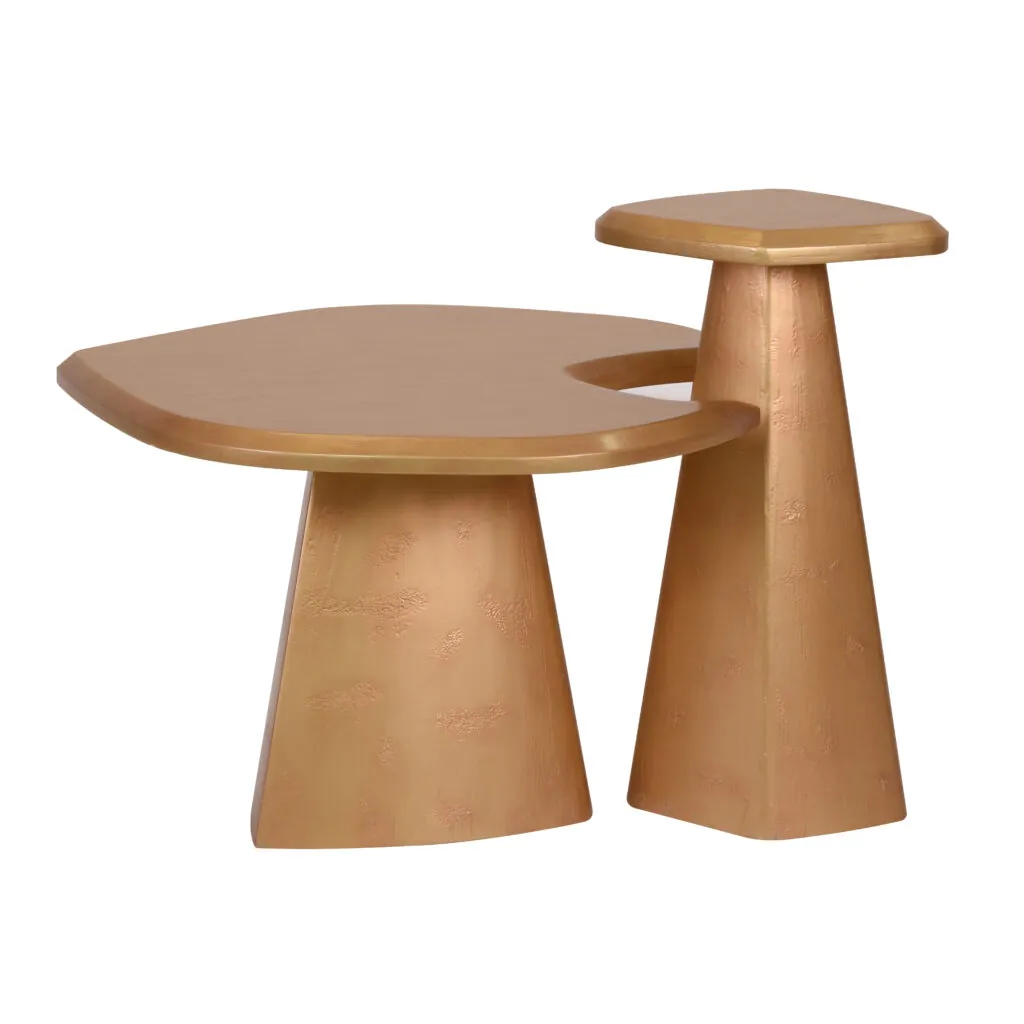
In our daily work with hotel projects, we often see how furniture is expected to balance visual impact, durability, and easy maintenance. At Gainwell, we manufacture hotel furniture based on client drawings, turning design concepts into finished pieces that are suitable for real hospitality environments. Because our furniture is used in guest rooms and suites every day, issues like cleaning, wear, and long-term care naturally become part of our conversations with clients. One common concern we hear relates to fabric care and everyday stains, which is why practical guidance is just as important as thoughtful manufacturing.
Understanding how to get chocolate stains out of furniture
When people ask about how to get chocolate stains out of furniture, the key is to act calmly and methodically. Chocolate contains both oils and sugars, so rubbing aggressively can push the stain deeper into upholstery. We usually recommend starting by gently removing any solid residue with a dull edge, then blotting the area with a clean cloth. A small amount of mild detergent mixed with lukewarm water can help lift the remaining mark when applied carefully.
For hotel environments, knowing how to get chocolate stains out of furniture also means choosing materials that tolerate repeated cleaning. Upholstered seating should be tested for colorfastness before any solution is applied. Blotting, rather than soaking, helps protect the structure beneath the fabric. These steps reduce the risk of lingering odors or fabric distortion, which is especially important in rooms that need to be turned over quickly between guests.
Material choices that support daily maintenance
From a manufacturing perspective, our role goes beyond answering how to get chocolate stains out of furniture; it starts with selecting finishes and structures that make maintenance easier. In hotel projects, we work from approved drawings and specifications, ensuring fabrics, wood finishes, and cushioning align with usage expectations. Durable frames, stable joinery, and upholstery designed for commercial use all contribute to furniture that holds up under frequent cleaning.
We operate production facilities in both our main factory and our Vietnam branch, allowing us to support different project scales while maintaining consistent workmanship. This structure helps us respond to detailed requirements from hotel brands and designers, especially when storage, color, or fabric performance needs to be carefully controlled.
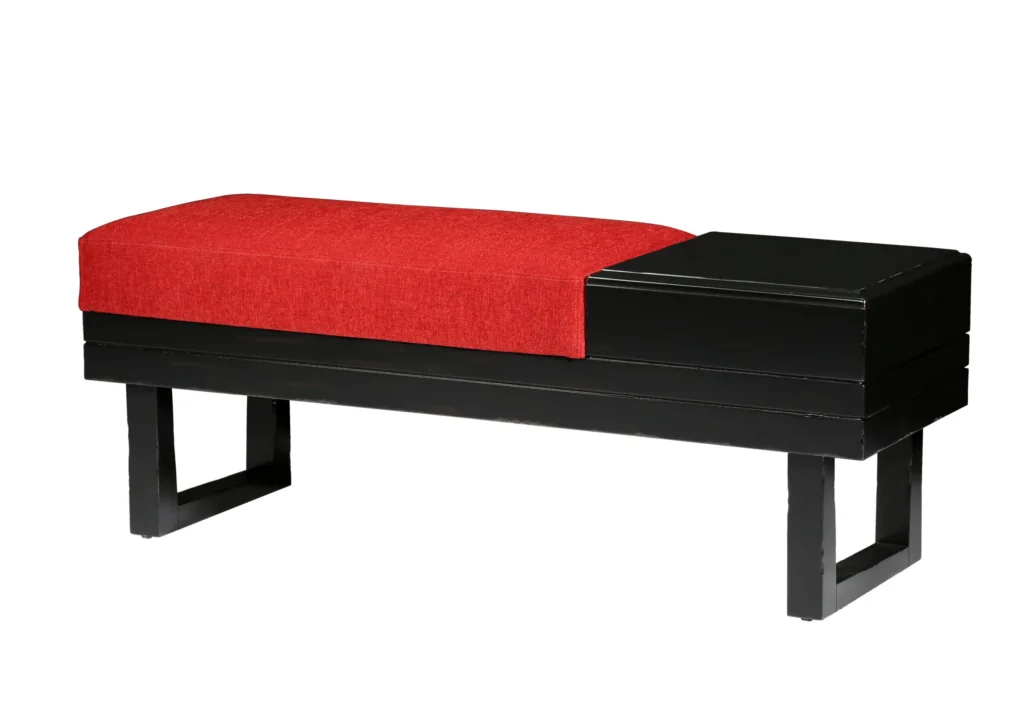
A closer look at the S22303 end-of-bed bench
A good example of functional meeting design is our modern cushioned bench with a side table. The piece features a bold red upholstered seat paired with a sleek black wooden frame, creating a strong visual contrast while maintaining a clean, contemporary style. One side of the bench includes a wooden surface that works perfectly as a small table for books, bags, or décor items. Designed for entryways, living rooms, or hotel lounge areas, the bench offers comfortable seating while adding practical surface space, making it a versatile furniture piece for modern interiors.
Conclusion: design that considers real use
In hospitality projects, furniture is judged not only by how it looks on installation day but also by how it performs over time. From understanding everyday questions like stain care to manufacturing pieces that support efficient maintenance, our approach focuses on realistic use scenarios. By combining careful material selection, precise production based on client drawings, and functional designs such as the S22303 bench, we aim to support hotel interiors that remain comfortable, practical, and visually consistent throughout their service life.