What is Contract Grade Furniture? A Complete Guide for Hospitality Projects
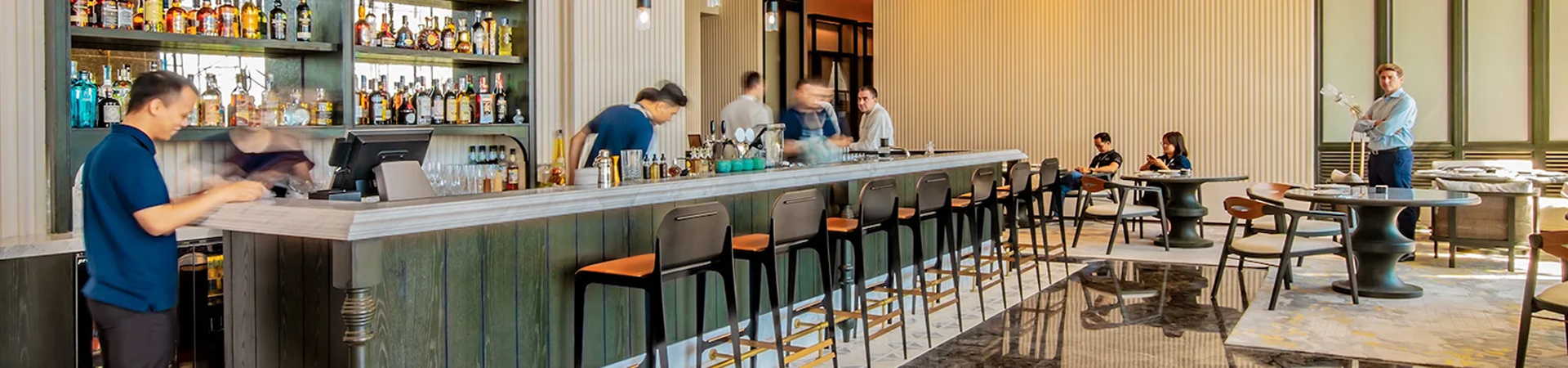
In hospitality procurement, while visual aesthetic sells the concept, it is the engineering that protects the investment. Distinguishing between residential and contract grade furniture is the difference between a durable asset and a liability that fails quickly. The reality of hotel environments is brutal: furniture must withstand continuous high traffic (8-16 hours daily), unpredictable guest usage, and harsh chemical cleaning that would ruin standard finishes. Therefore, for Gainwell, contract grade is not merely a design choice—it is a form of asset protection essential for meeting the operational demands of luxury properties.
What Is Contract Grade Furniture Exactly?
Contract grade furniture (often used interchangeably with commercial grade furniture) refers to furnishings that are specifically designed, engineered, and tested to meet strict stability, safety, and durability standards for use in high-traffic public and commercial spaces.
Unlike residential furniture, which is built for “light duty,” contract furniture must pass rigorous testing protocols, such as those established by BIFMA (Business and Institutional Furniture Manufacturers Association) in North America.
The Modern Design Paradox
Historically, “commercial grade” implied bulky, institutional-looking furniture. However, the 2026 design landscape has shifted. Modern hospitality design demands the “residential look”—cozy, soft, and organic—but with the internal structure of a tank.
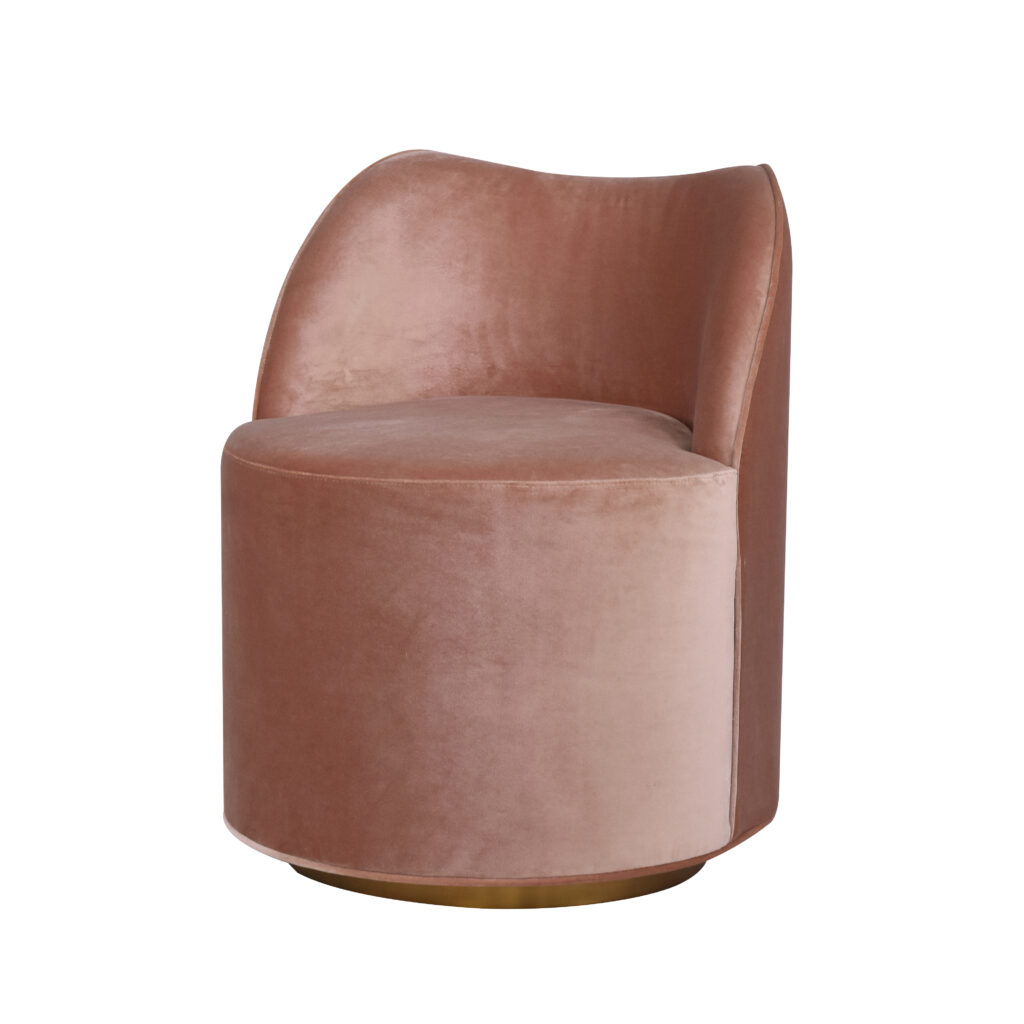
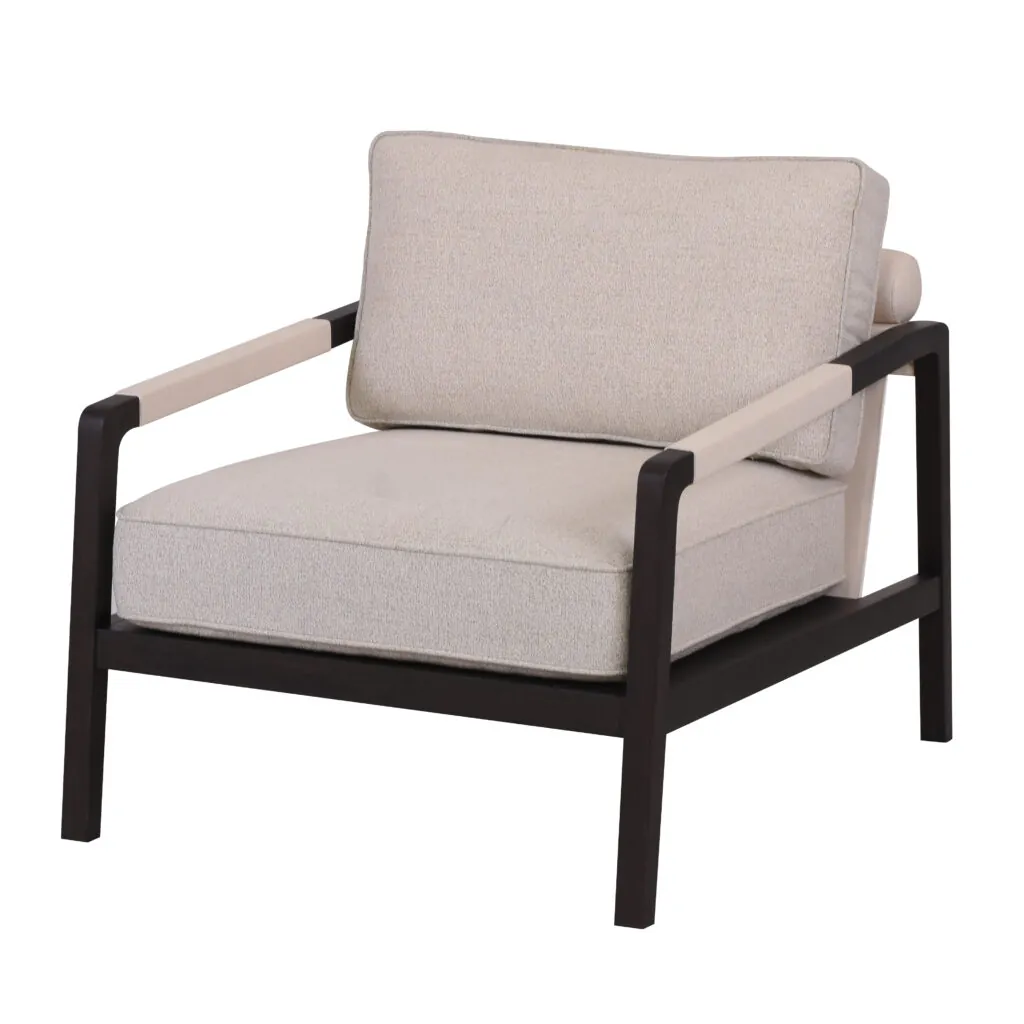
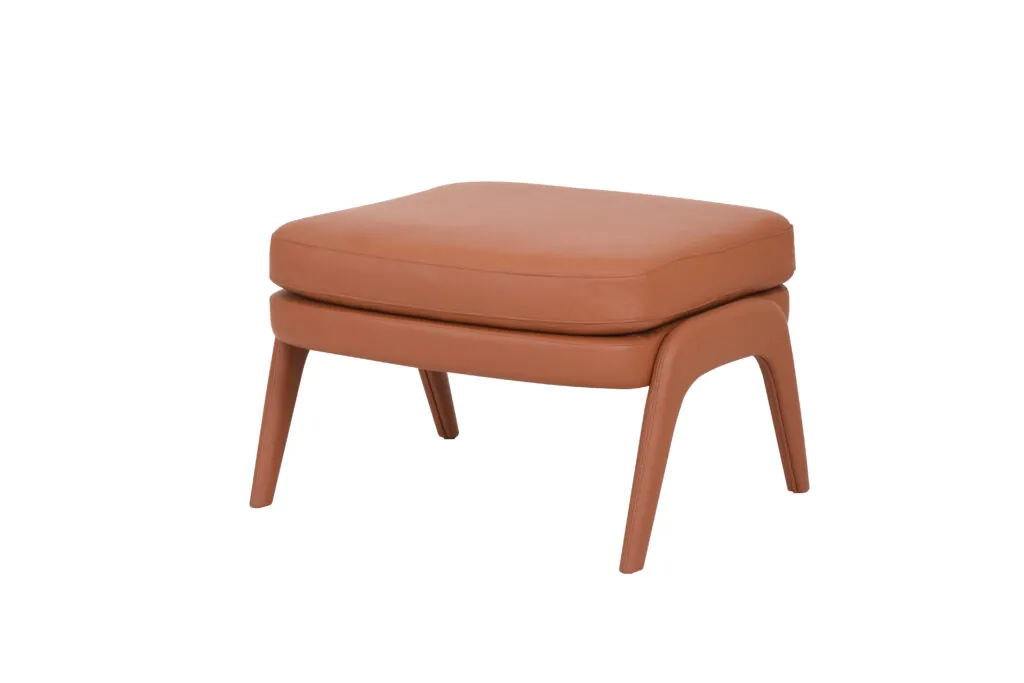
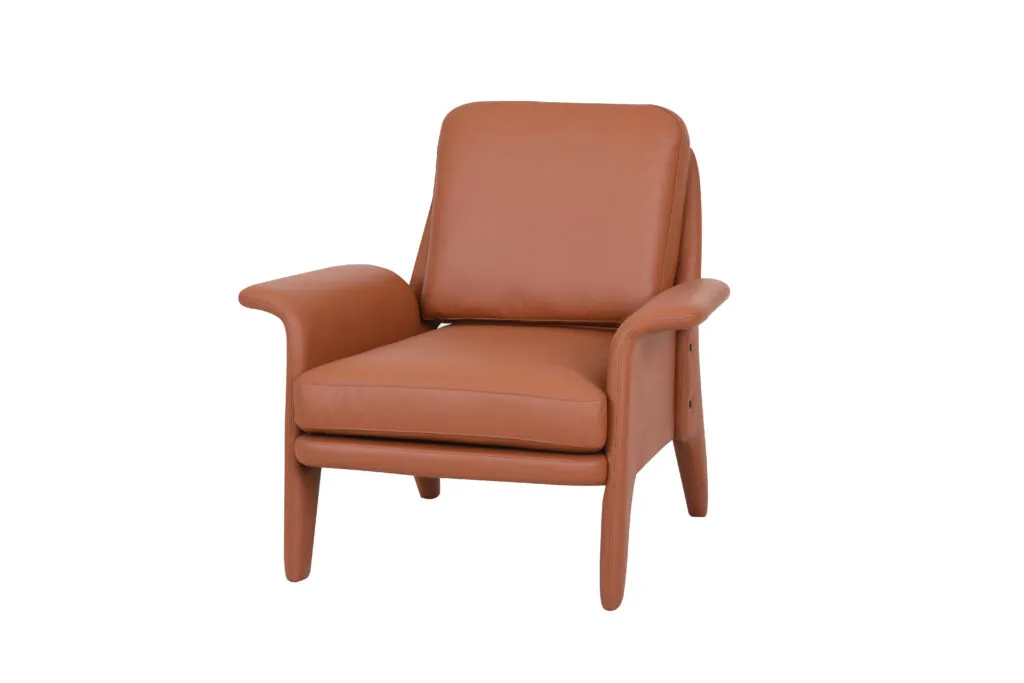
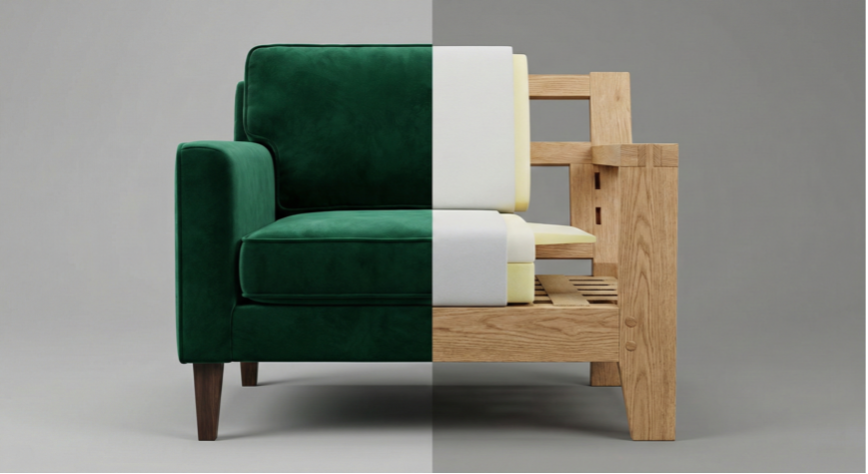
Today, a true contract grade armchair looks identical to a high-end luxury home piece on the outside, but inside, it possesses reinforced joinery, higher density foams, and performance fabrics capable of enduring 100,000 double-rubs.
Why Luxury Hotels Require Contract Grade Standards
For procurement teams and hotel owners, the decision to invest in contract grade specifications comes down to two critical factors: ROI and Liability.
- ROI & Lifecycle Analysis
The upfront cost of commercial grade furniture is typically higher than mass-market residential furniture. However, the Total Cost of Ownership (TCO) is significantly lower.
- Residential Furniture Lifecycle: In a hotel environment, residential pieces often fail (fabric tearing, joints loosening, foam sagging) within 12 to 24 months.
- Contract Furniture Lifecycle: Properly engineered contract furniture is built to last 7 to 10+ years.
If a hotel opts for cheaper residential furniture, they will likely pay for the product three to four times over a decade, not including the operational costs of removing broken furniture and the reputational damage caused by worn-out interiors.
- Safety & Liability Protection
Beyond durability, contract standards are a legal and safety necessity.
- Fire Safety: Hotel furniture must often meet strict flammability codes, such as CAL 117 (smolder resistance) or the more stringent CAL 133 (open flame test) for high-risk areas like lobbies or public assembly spaces.
- Stability & Weight: Contract seating is tested to support higher weight capacities and endure “drop tests” to ensure legs don’t snap under sudden pressure. Using non-rated furniture exposes the hotel to significant liability lawsuits if a guest is injured due to furniture failure.

The "Hidden" Specs – Anatomy of a Contract Grade Piece
At Gainwell, we believe the quality of hotel contract furniture is defined by what you cannot see. Here are the four hidden specifications that separate contract quality from the rest.
- The Skeleton: Wood & Moisture Control
The primary cause of wood furniture cracking in hotels is not physical abuse, but moisture fluctuation.
- The Standard: We utilize kiln-dried hardwood.
- The Spec: Crucially, the moisture content (MC) must be controlled between 8% and 12%. If the wood is too wet (above 14%), it will shrink and crack in dry, air-conditioned hotel rooms. If it is too dry, it may swell in humid resorts. Precise MC control is vital for structural integrity.[1][2]
- The Joints: Construction Integrity
Staples and nails are sufficient for home décor, but not for a hotel lobby.
- The Spec: Contract joinery relies on double-doweled, corner-blocked, glued, and screwed connections. This triangulation reinforces the stress points, ensuring the chair frame remains rigid even when dragged across a carpeted floor thousands of times.
- The Finish: Surface Armor
A guest placing a hot coffee cup or a glass of wine on a nightstand should not leave a permanent mark.
- The Spec: We use high-performance finishes, such as Polyurethane (PU) lacquers or catalyzed conversion varnishes. These create a cross-linked chemical bond that resists heat, moisture, and solvents much better than standard nitrocellulose lacquers found in residential goods.
- The Cushioning: High-Resiliency (HR) Foam
There is nothing worse than a hotel sofa that retains the “dent” of the previous guest.
- The Spec: Contract seating uses High-Resiliency (HR) foam.
- Density: We look for foam densities of 2.5 lbs/ft³ or higher with a support factor greater than 2.4. This ensures the foam provides an immediate “bounce back” and retains its loft for years, unlike standard poly-foams that flatten out.[3]
Can Custom Furniture Be Contract Grade?
A common misconception in the industry is that to get “contract grade” certification, you must buy boring, catalog-standard furniture. This is false. Custom furniture can and should be contract grade.
At Gainwell, we specialize in bespoke manufacturing. When a designer submits a sketch for a unique lobby sofa or a custom headboard, we don’t just build it as drawn. We engineer it.
The Process: From Sketch to Tank
- Deepening Shop Drawings: This is the bridge between design and manufacturing. Our engineers take the visual concept and generate detailed technical drawings (CAD). We might thicken a metal tube wall from 1.0mm to 1.5mm or add an internal steel sub-frame to a wood bench—changes that are invisible to the eye but essential for durability.
- Vertical Integration: Quality starts at the source. Gainwell owns its lumber processing facilities, allowing us to control the wood drying process from the very beginning.
- Prototyping & Testing: Before mass production, a prototype is built and subjected to stability and finish testing to ensure it meets the commercial grade furniture requirements of the specific project.
Conclusion
In the hospitality industry, furniture is a functional tool that serves the guest experience. Contract grade furniture represents the perfect balance between “Durable Luxury” and operational efficiency. It allows designers to create breathtaking spaces while giving owners the peace of mind that their investment will withstand the rigors of the hotel environment.
Whether you are renovating a boutique property or constructing a large-scale resort, ensure your specifications call for true contract standards.
Ready to start your next project? Gainwell combines decades of craftsmanship with industrial-grade engineering to deliver custom hotel furniture that lasts. Contact Us today to discuss your shop drawings.
References
[1] https://urbanwoodnetwork.org/wp-content/uploads/UWN_LumberDrying_SinglePages2024_Low.pdf
[2] https://www.mcilvain.com/news/kiln-dried-may-not-mean-what-you-think-it-means/
[3] https://midwestfabrics.com/blogs/recent-posts-on-our-blog/foam-density-chart-find-perfect-fit-comfort-support
[4] https://foamite.com/high-resiliency-foam-vs-conventional-foam/